Use 3D printing with no mold costs and few design constraints when manufacturing your electronics enclosures.
A custom electronics enclosure usually depends on PCB layout, connectors, mounting points, and the expected environment. Use this as a quick check before quoting.
The right process depends on size, surface expectations, heat/load, and whether you need one prototype or a repeatable batch.
| Need | Likely process | Why |
|---|---|---|
| Fast fit check | FDM | Low cost, larger parts, quick iteration. |
| Small smooth enclosure | SLA | Better detail and surface quality for compact parts. |
| Durable complex housing | SLS | Strong nylon parts with no support marks and good geometry freedom. |
If the enclosure has gasket features, snap-fits, inserts, or tight connector clearances, include those notes with the upload so we can review the design properly.
Built for teams that need fast iterations and reliable end-use housings.
Compact housings for gateways, telemetry devices, and edge electronics.
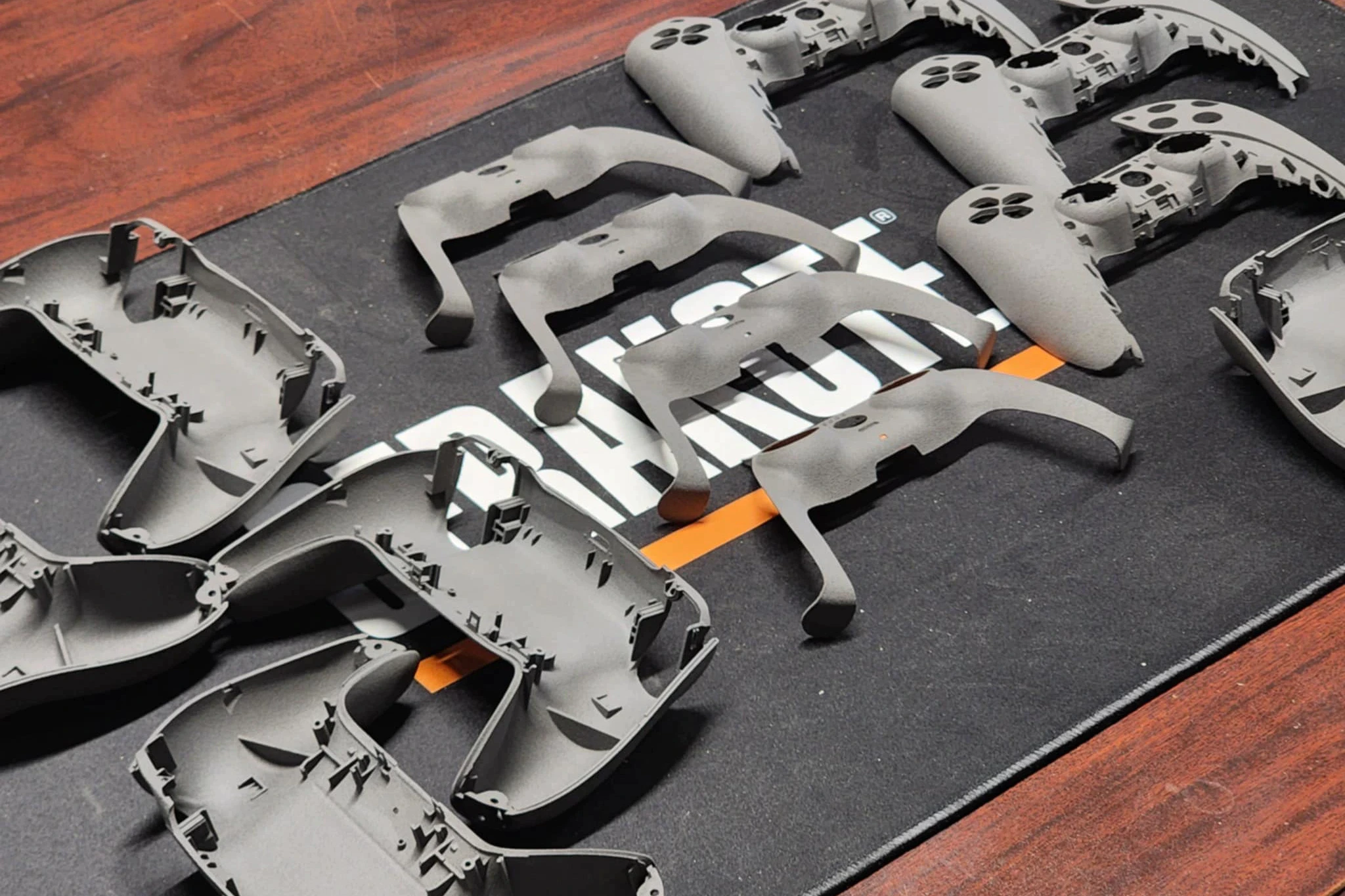
Ergonomic enclosures for controllers, diagnostics, and field tools.
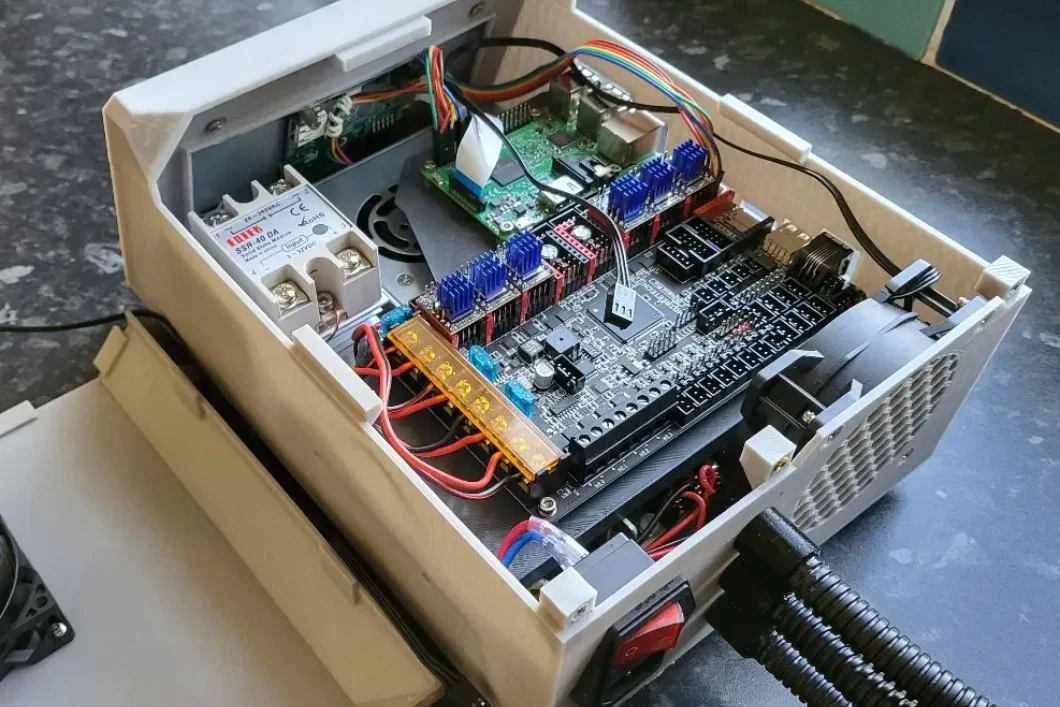
Functional housings for automation cabinets and industrial interfaces.
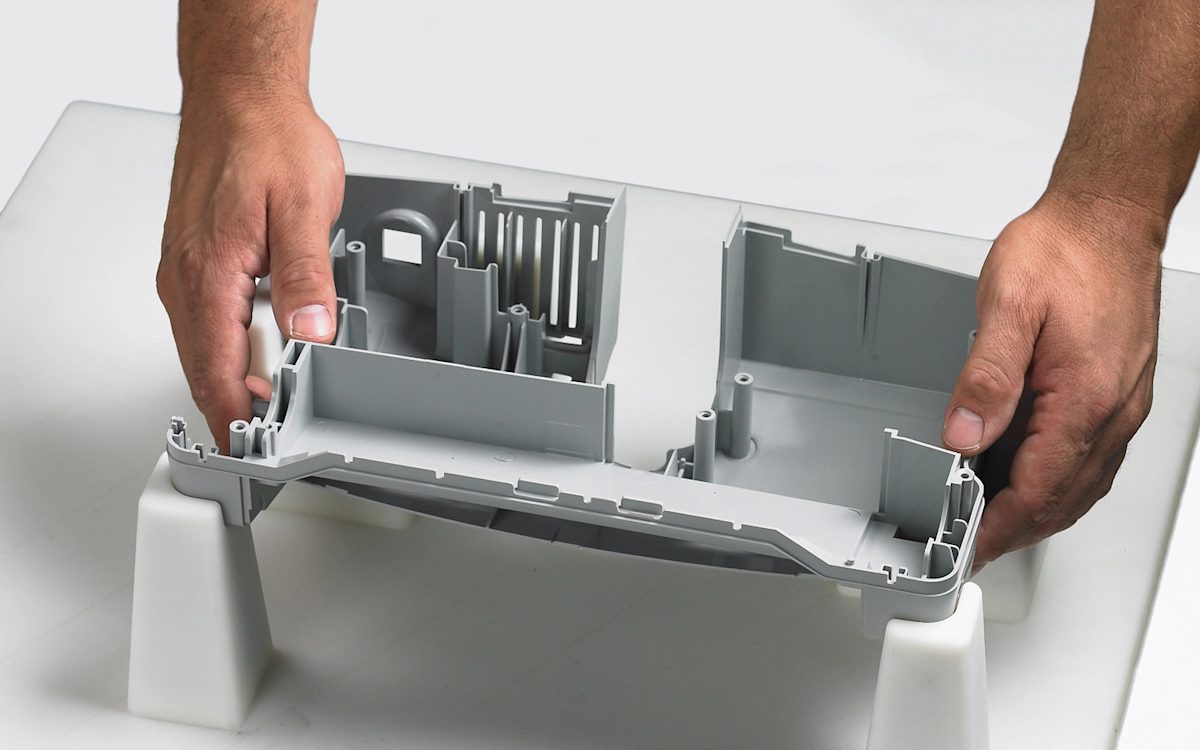
Repeatable electronics jigs and validation fixtures for production teams.
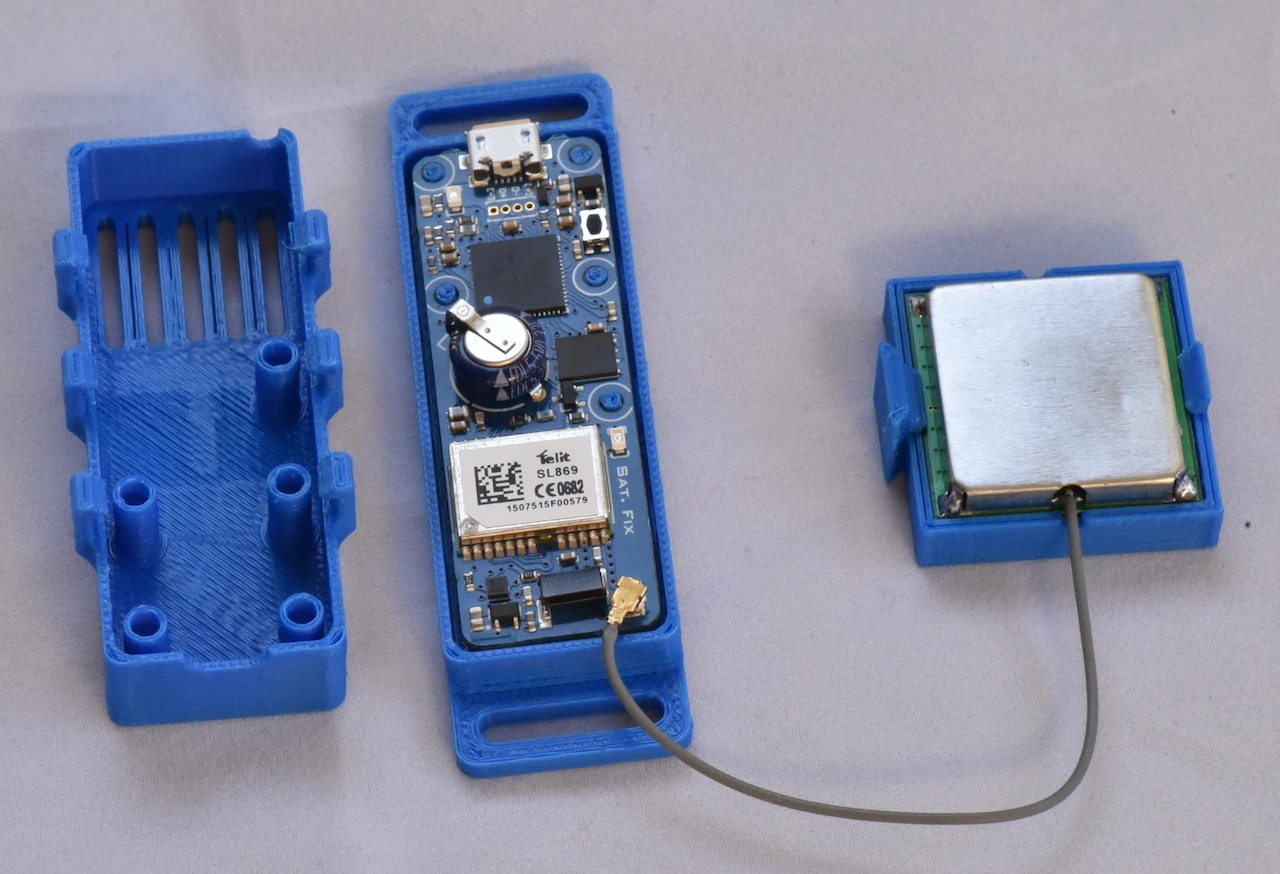
Following these guidelines improves fit, durability, and printability while controlling cost.

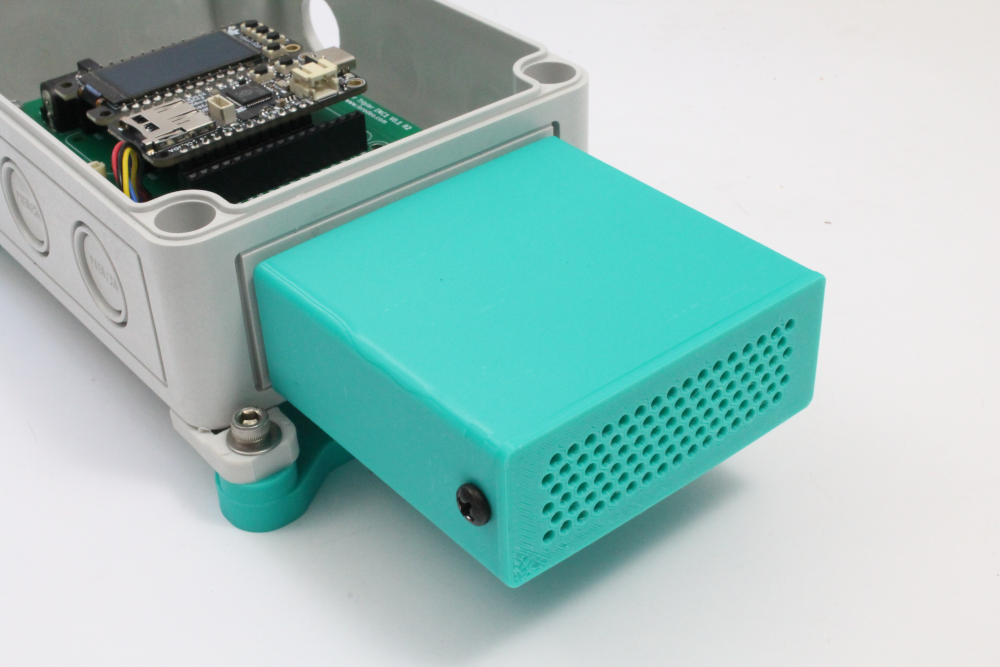
Sensor enclosure for industrial monitoring

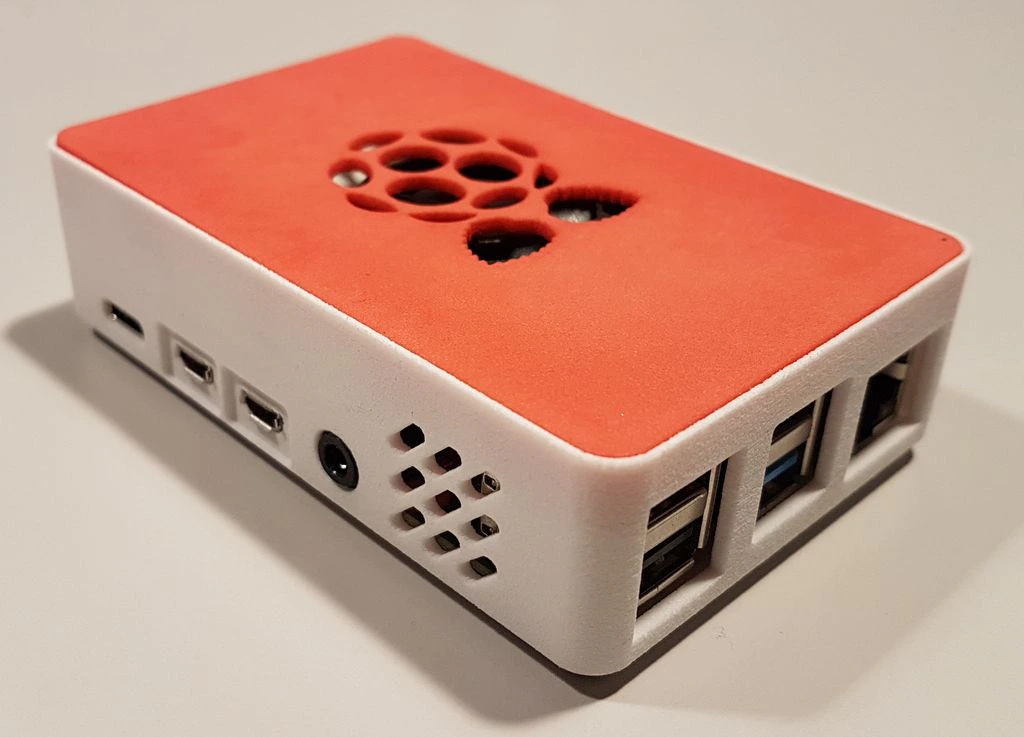
SBC enclosure

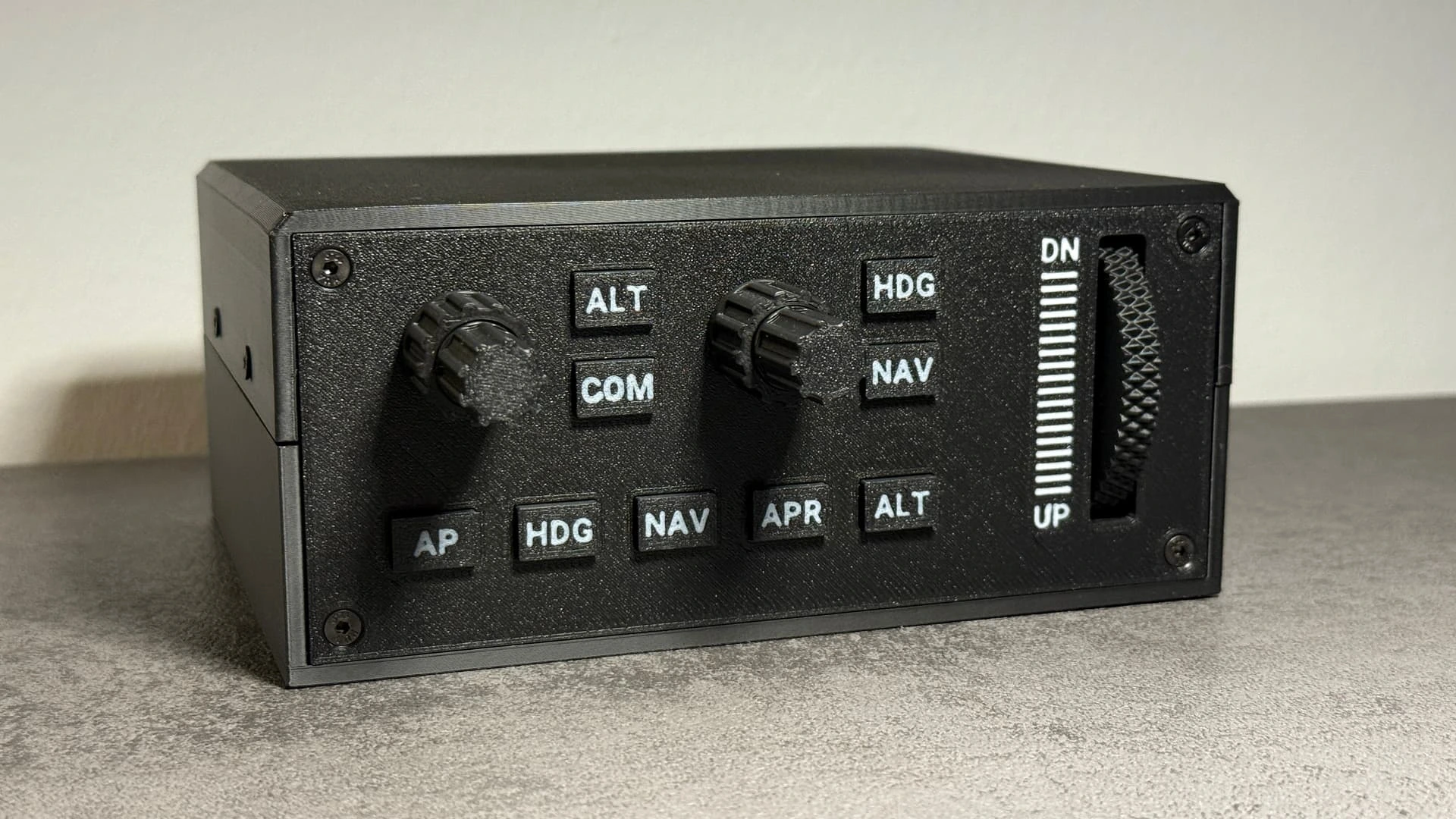
Control interface case for automation

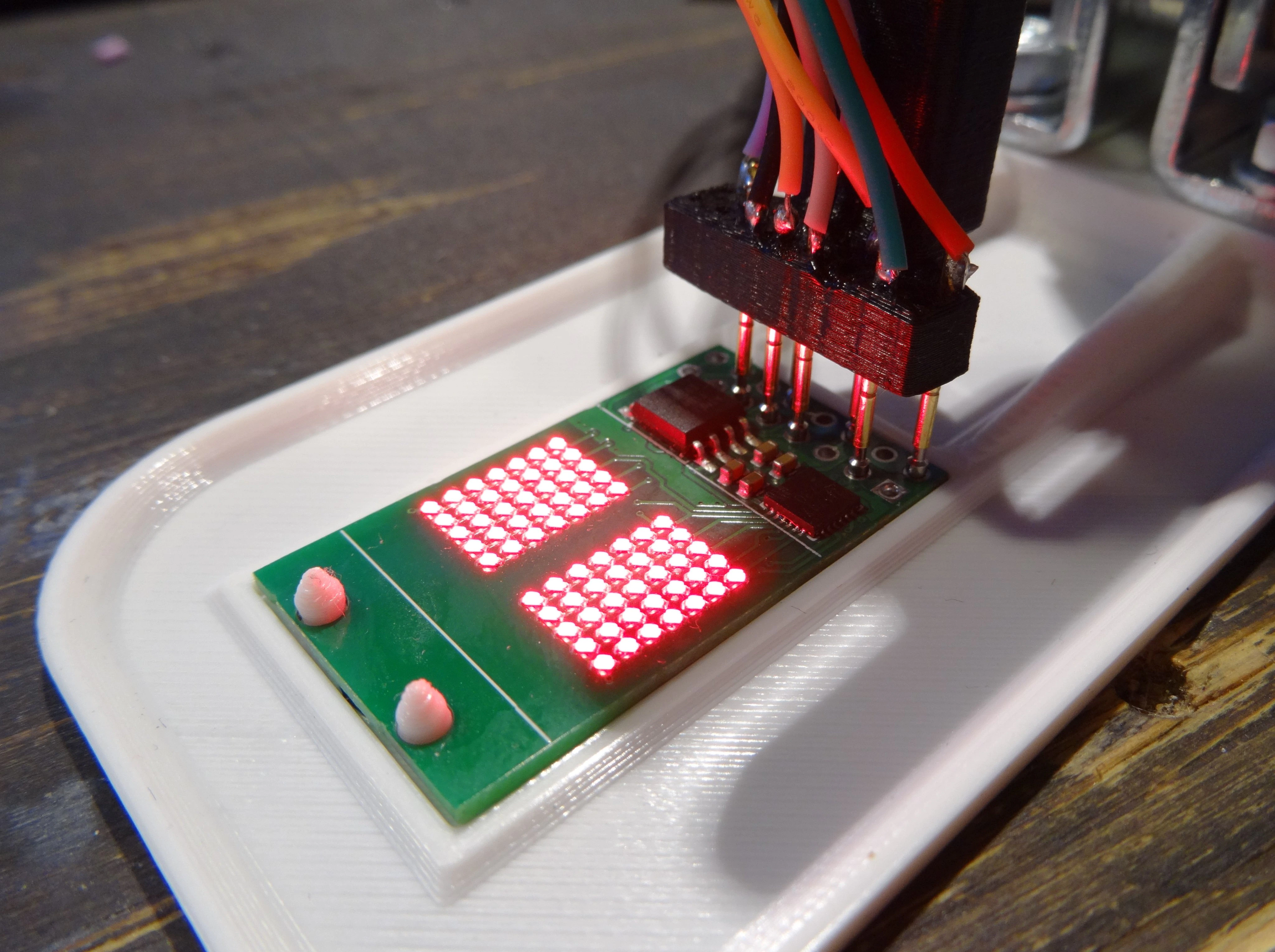
Custom fixture housing for electronics testing
Final cost and timeline depend on design complexity and manufacturing setup.
Experience fast, reliable, and custom 3D printing for your prototypes and manufacturing needs.