Mass Production - Makeseum

Small volume production

3D printing can be used as an alternative to injection molding in small volume production

No upfront costs Express lead time Flexible manufacturing

Is 3D printing the right production method?

Use this page as a quick filter before requesting a quote. If the job fits these conditions, additive manufacturing can save tooling time and upfront cost.

Best fit when

  • You need 1-500 plastic parts without paying for mold tooling.
  • The design may change between batches or needs part serialization.
  • Geometry is complex, customized, or difficult to machine conventionally.
1-3 typical business days for many FDM/SLA jobs

Usually not ideal when

  • You need very high-volume identical parts with stable design.
  • The part has strict cosmetic requirements on every visible surface.
  • Certification, load, heat, or chemical exposure requirements are not yet defined.
0 mold tooling cost before production starts

What to send

  • STL, OBJ, STEP, or 3MF files.
  • Quantity, target material, and deadline.
  • Any tolerance, finish, assembly, or end-use notes.
Get a quote

Production route by volume

A rough guide for deciding when to upload for instant pricing and when to request a manual review.

Volume Typical route What matters most
1-10 Prototype or pilot batch Speed, fit checks, and material confidence.
10-100 Low-volume production Repeatability, unit cost, and batch consistency.
100+ Manual review / RFQ Packing density, process choice, and whether tooling starts to make sense.

Upload the model for automated pricing when geometry is straightforward. Use RFQ when the order is high-value, technically sensitive, or needs process advice.

Prototype before committing to production

For many projects, the fastest route to a reliable batch is to validate one or two iterations first, then move into repeatable production without changing manufacturing methods.
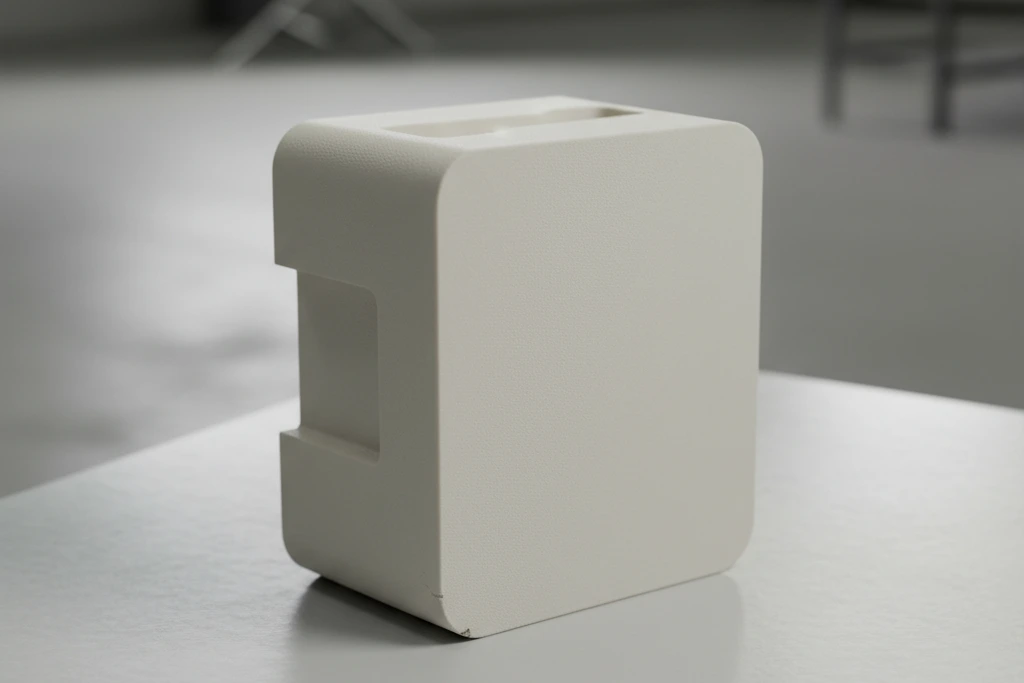
Concept models

Concept models

Check scale, shape, and presentation before investing in a full production run.
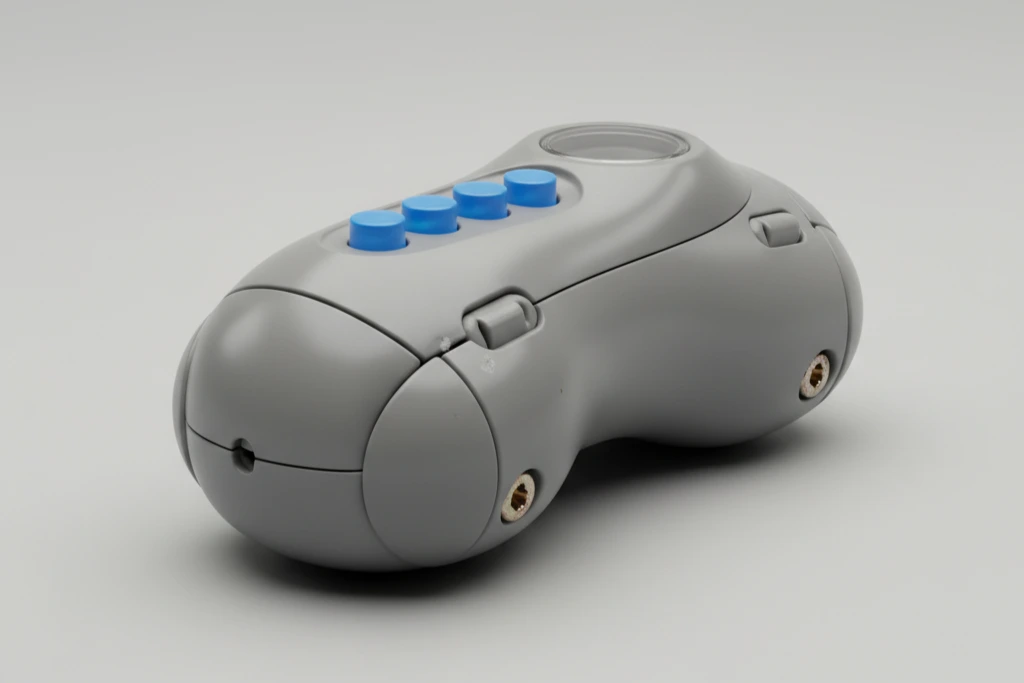
Fit and assembly

Fit and assembly

Validate clips, clearances, mounting points, and mating parts before batching.
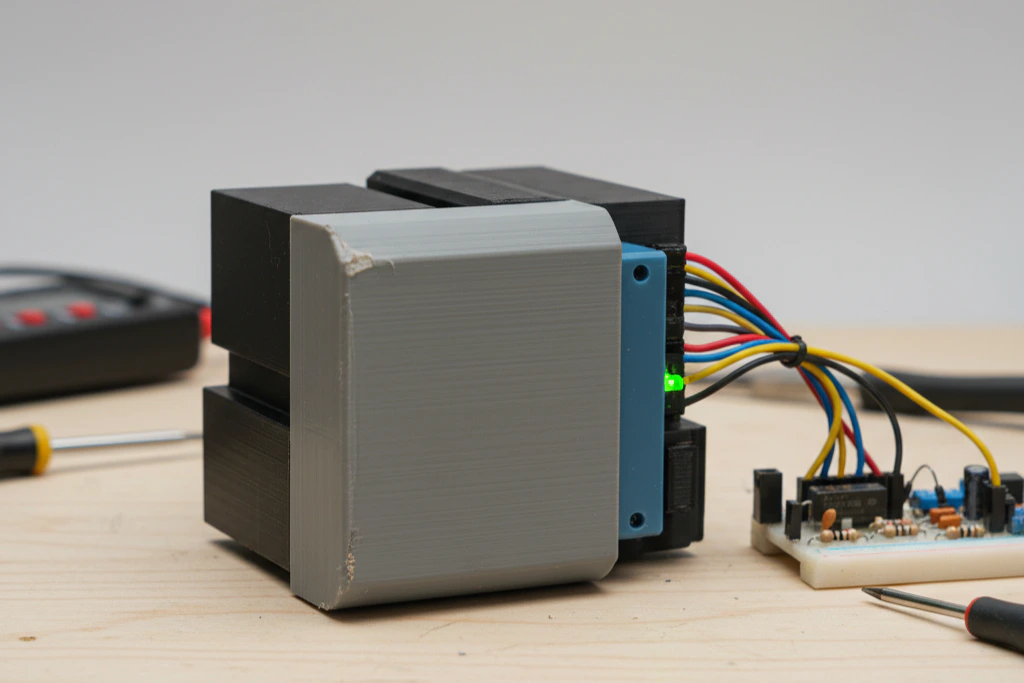
Functional testing

Functional testing

Test loads, ergonomics, airflow, enclosures, and material behavior early.

How prototyping supports production

  • Order one sample first when fit or function is uncertain.
  • Iterate geometry quickly without mold changes or tooling delays.
  • Use design-for-manufacturing feedback while the design is still flexible.
  • Move approved files into low-volume production on the same workflow.

3D printing for small volume production

Small components

Small Components

Small parts are more affordable and large batches can be produced quickly. Small components still have very high injection mold costs, which makes them ideal for 3D printing.

Complex geometries

Complex Geometries

Complexity greatly increases costs in traditional manufacturing methods. While in additive manufacturing, geometry, undercuts, and variable thickness do not change the pricing. 3D printing manufacturing has few design limitations.

Custom parts

Custom Parts

Break the mold. No molds means you are not limited to producing the same item every time. Use mass customization and serialization to your advantage. Contact us for help designing these methods.

What volumes are suitable?

The number of parts that can be economically produced with 3D printing depends on the geometry of the components. For very small parts, thousands can be produced before injection molding becomes financially viable. For larger parts, alternative manufacturing methods may become more affordable after hundreds or even tens of units. The graph on the right shows the relationship between unit price and volume for injection molding and 3D printing.

Volume vs unit price chart
Get a quote

How can 3D printing be used in manufacturing?

3D printing is used in the manufacturing sector for applications that require the positive qualities of the technology.

Low-volume production is cost-effective for small plastic components, as the high upfront mold costs associated with injection molding can be avoided.

Quick production to meet urgent product demand is possible with 3D printing, as production can start immediately without complex design requirements and mold-making time.

Complex parts that cannot be made otherwise are produced using 3D printing.

Customized parts that are usually made to order are 3D printed because they require a short lead time and a good price for a small quantity.

In the production line 3D printing is used to produce tools and fixtures used by manufacturers to improve the workflow within the factory.

Frequently Asked Questions

Yes, we have a volume discount system. These discounts are automatically applied in our online quote system based on the quantity of each file. The discounts are as follows:

  • 3% - 5-14 qty
  • 6% - 15-29 qty
  • 10% - 30-59 qty
  • 14% - 60-99 qty
  • 18% - 100-199 qty
  • 22% - 200+ qty

Yes. Samples are produced on the same machines used for production and we will refund the cost of sample models for volume orders. To order a sample, please use our instant quote tool and purchase your design through our online system. As long as the file has not been modified, we can refund sample costs for orders over 100 pieces.

Sometimes - it largely depends on how many parts you are making. 3D printing is more affordable for small quantities of parts, while injection molding is cheaper for large quantities. Injection molding requires a significant upfront investment to make molds, while 3D printing has no upfront costs. Once production begins, the unit price for injection molding is usually lower than that of 3D printing.

PLA (FDM) is suitable for affordable production of medium-sized parts. Resin (SLA) is suitable for small parts with complex geometry that require a smooth finish. You can compare our materials here.

Since 3D printing does not require molds, the design can be changed without additional costs. We cannot exchange parts that have already been manufactured, but the updated design can be used for other parts.

3D printing is only used for mass production when the product requires the unique manufacturing capabilities of the technology. This means complex geometries that cannot be made any other way, such as the Adidas Futurecraft. Or for custom products, such as Invisalign.

Start manufacturing with Makeseum now

Experience fast, reliable, and custom 3D printing for your prototypes and manufacturing needs.