Selective Laser Sintering (SLS) is an additive manufacturing method in which a powdered material is sintered layer by layer using a laser. The laser strategically scans and sinters the powder particles along a predetermined path, gradually building up the entire object. The materials used in SLS are typically polyamides and other engineering thermoplastic powders.
SLS is one of the most popular forms of 3D printing. It is an additive manufacturing technology that uses a laser to selectively sinter a powdered material layer by layer to build the part. The technology does not require a support material, which allows greater freedom in designing and building complex geometries. These advantages should be considered when designing for SLS to achieve the best result.
From 5 working days
0.7 mm
$$$$$
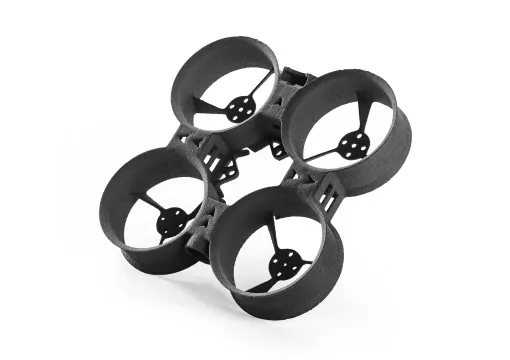
SLS is ideal for producing parts with high precision and complex geometry. Check your CAD models and be sure of the quality and detail of your designs.
Use our rapid manufacturing service to create functional prototypes of your designs. SLS technology provides the ability to produce strong and durable parts that meet your project specifications.
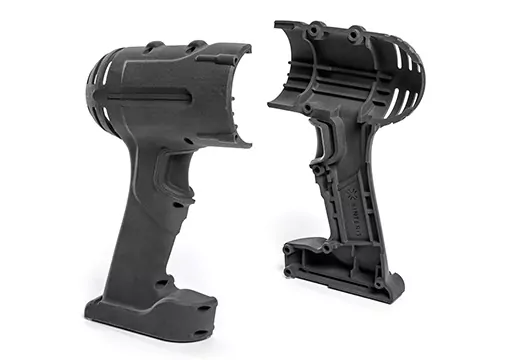
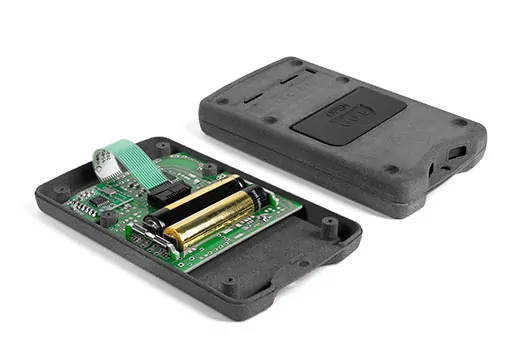
SLS is suitable for series production of functional parts, components and housings. For durable and wear-resistant parts, use our polyamide and other engineering materials.
Choose from a wide range of FDM, SLA, and SLS materials. View material descriptions, available colors, example prints, and download technical data sheets.
See All Materials & Specs
Walls that are connected to the rest of the model on at least two sides. Minimum: 0.7mm
Model elements that are raised or recessed below the model surface. Minimum: 1mm wide & high
The minimum diameter of a hole that the technology can successfully print. Minimum: Ø1.5 mm
Recommended tolerance between two moving or connecting parts. Minimum: 0.3mm for moving parts & 0.1mm for connections
The minimum diameter of holes allowing for the removal of material for printing. Minimum: 5mm
The recommended minimum size of a feature to ensure it will print successfully. Minimum: 0.8mm
The minimum diameter of a pin that can be printed. Minimum: 0.8mm
Experience the easiest and fastest way to get your product to market.