Reverse Engineering - Makeseum

Reverse engineering

No drawings? No CAD? We rebuild production-ready digital models from physical parts.

CAD reconstruction from real parts Design intent and features restored Ready for print, CNC, or tooling

When reverse engineering is the right service

Use it when a physical part needs to become editable CAD, not just a scanned mesh.

Best fit when

  • Original CAD or drawings are missing, outdated, or unusable.
  • A replacement part needs functional interfaces and tolerances restored.
  • The design needs to be modified before printing, CNC, or future production.

Define before quoting

  • Which surfaces are critical and which can be approximate.
  • Whether the part is worn, broken, or missing features.
  • Required output format and whether manufacturing is included.

What to send

  • Photos, rough dimensions, and any existing drawings.
  • A description of how the part fits or functions.
  • Target output: STEP/CAD, 3D print, inspection, or documentation.
Get a quote

Reverse engineering route

The project moves from physical evidence to clean digital geometry, then into production if needed.

Phase Output Purpose
Geometry capture 3D scan or measurement Build a reliable digital reference from the real part.
CAD reconstruction Parametric or surface CAD Restore design intent, clean features, and editable geometry.
Validation and production Fit review and manufacturing Prepare files for print, CNC, repeat orders, or documentation.

The more you can tell us about the part function, the better we can decide what needs exact CAD treatment.

Best fit for these projects

Reverse engineering is ideal when digital documentation is missing or outdated.
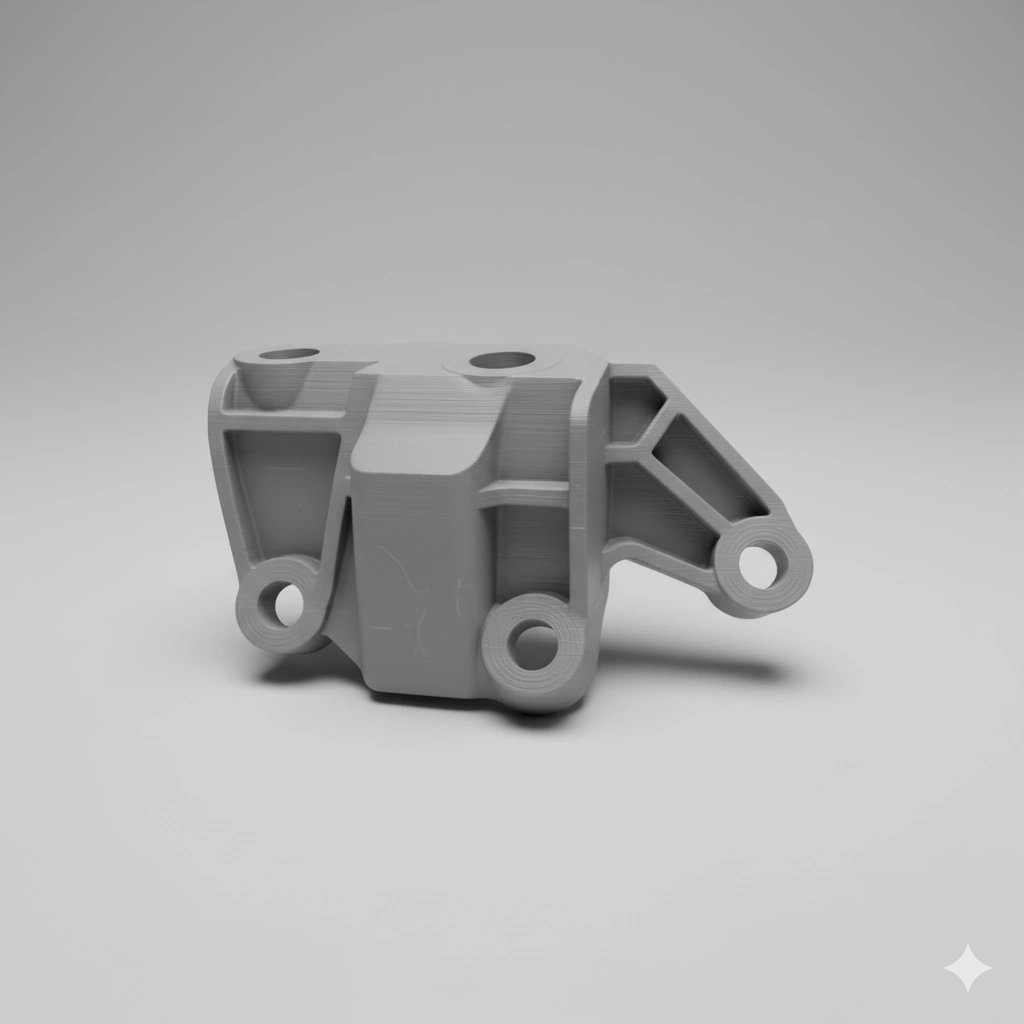
Discontinued Components

Discontinued Components

Recreate parts that are no longer available from suppliers.
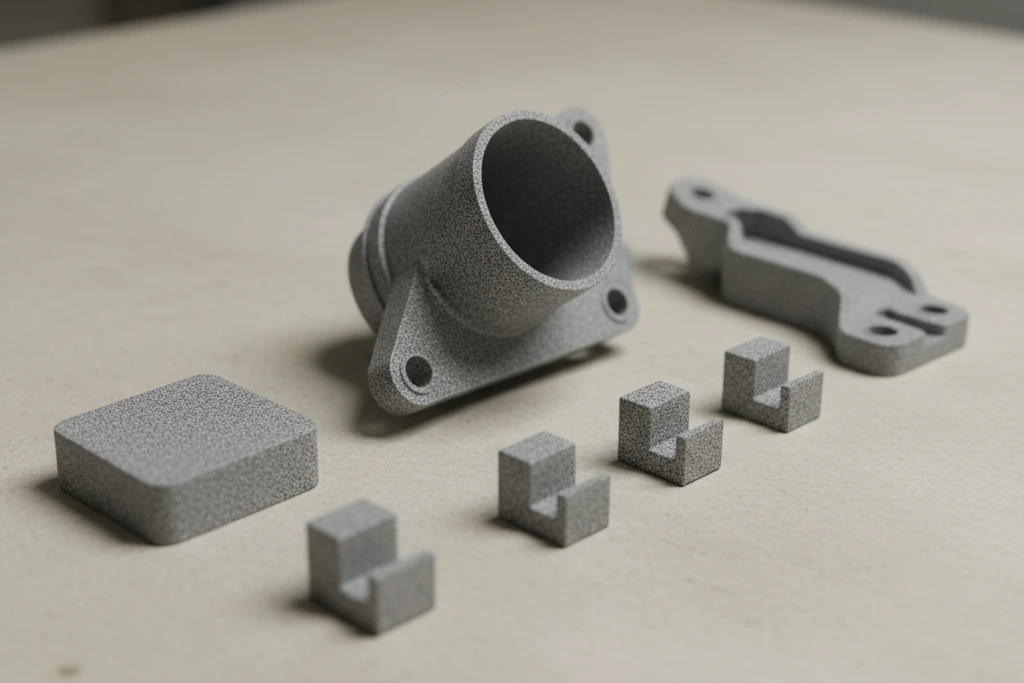
Maintenance and Repair

Maintenance and Repair

Replace worn parts quickly without full redesign from scratch.
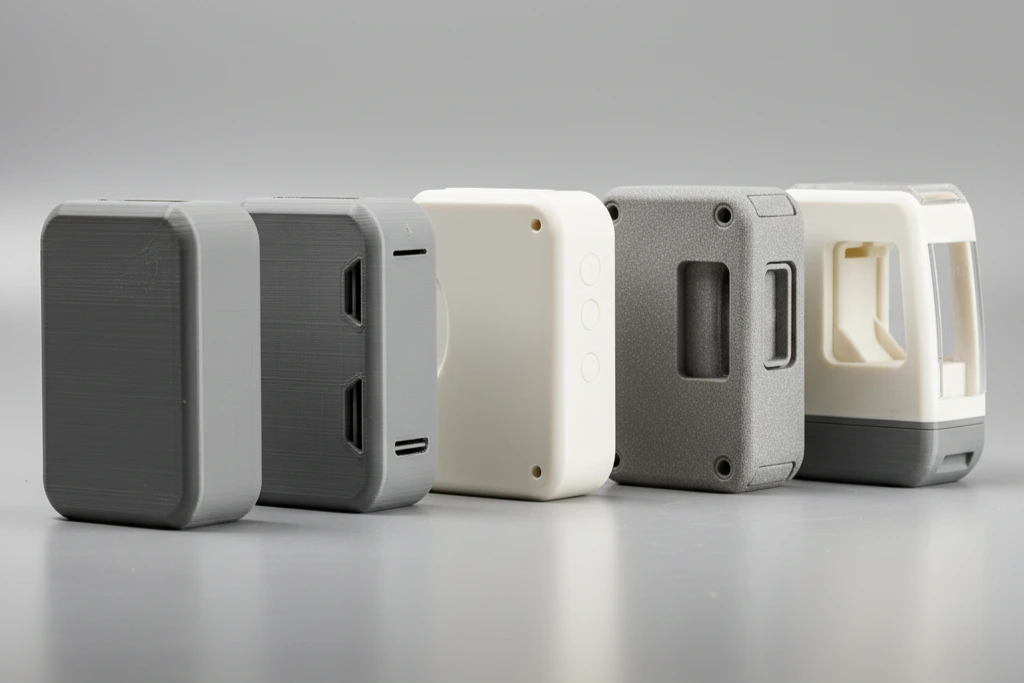
Product Improvement

Product Improvement

Start from existing geometry and optimize for new requirements.
Technical Documentation

Technical Documentation

Build reliable CAD references for future manufacturing and QC.
How reverse engineering works

We scan the physical part, reconstruct the model, and deliver manufacturing-ready files.

1

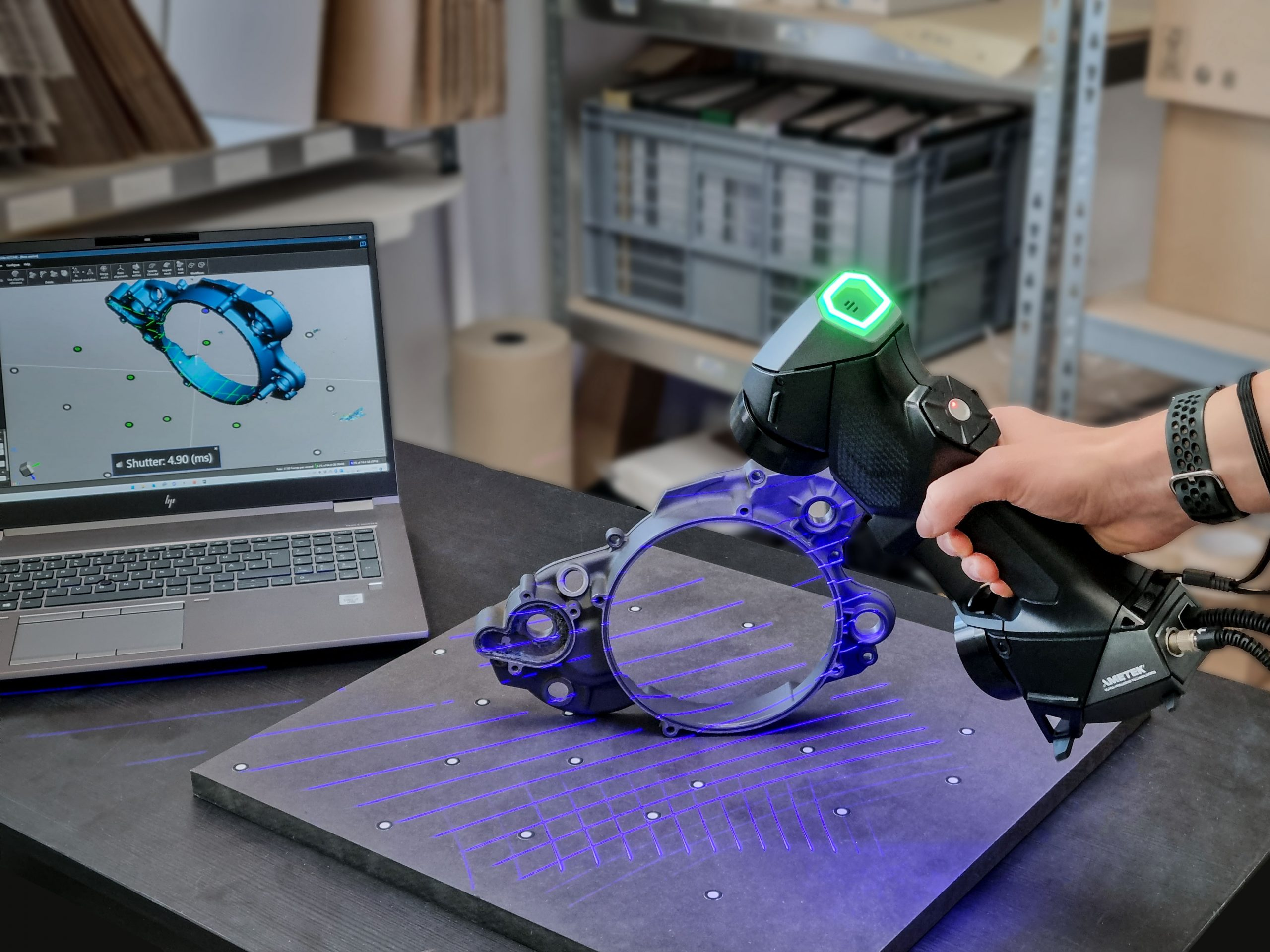
Step 1: 3D Scan the Part

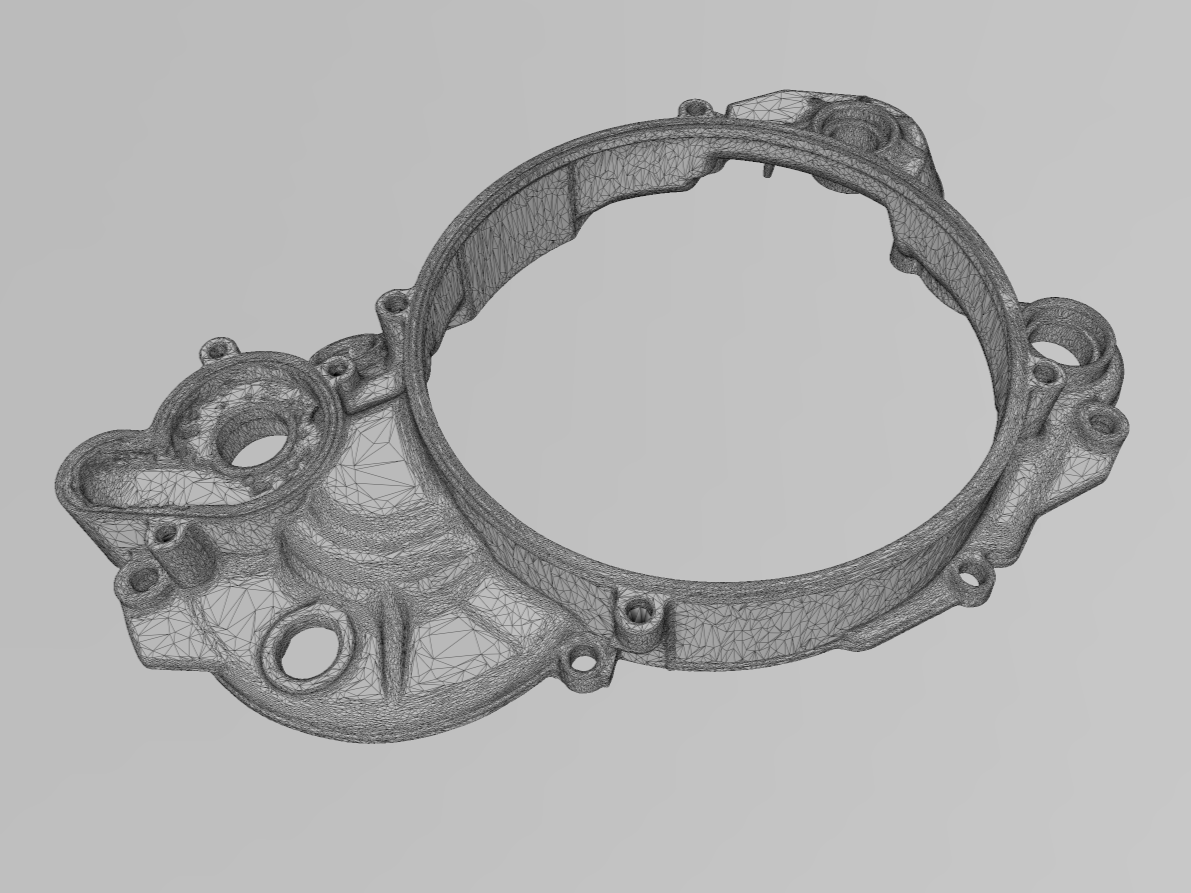
We capture full geometry with high-resolution scanning to create a precise digital reference.

2

Step 2: Build an Editable CAD Model

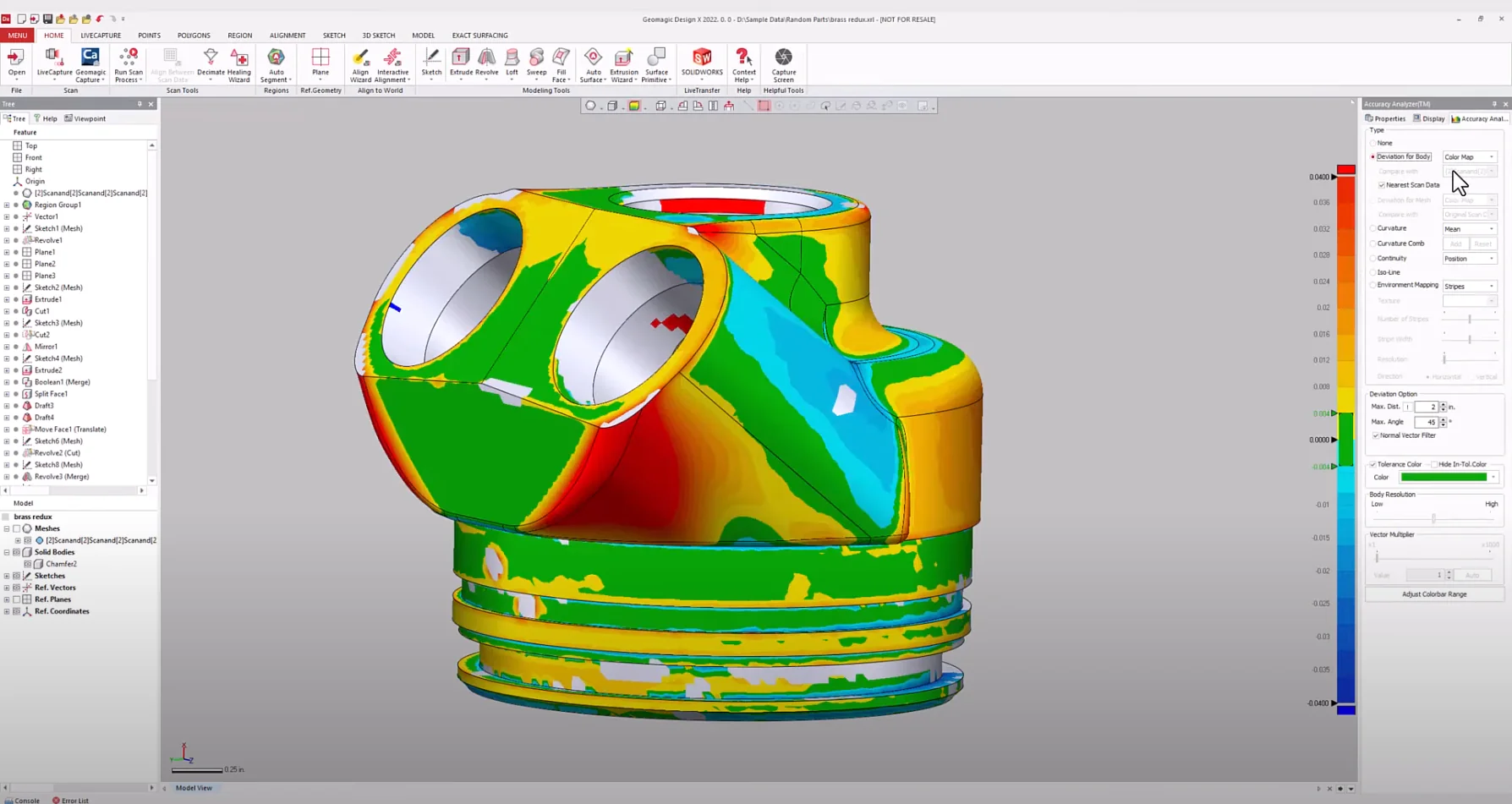
The scan data is reconstructed into parametric CAD with clean surfaces, features, and dimensions.

3

Step 3: Validate and Manufacture

The final model can be validated, improved, and used for 3D printing, CNC, or low-volume production.

What you can produce

Functional replacement parts

Bring old or damaged components back into service with reliable geometry.

Modified variants

Adjust interfaces, fit, and features without starting from zero.

Production-ready documentation

Use CAD outputs for manufacturing, inspection, and future design control.

Project snapshots

Initial scan setup

Initial scan setup

Captured mesh data

Captured mesh data

CAD reconstruction workflow

CAD reconstruction workflow

Validated final part

Water pump impeller - original metal part (left), 3D print in PPA-CF (right)

Start with 3D scanning

Most reverse engineering projects begin with an accurate scan. We choose the right method based on part size, detail, and target tolerance.

  • Replacing broken or outdated parts when original files don’t exist
  • Modifying existing designs to improve functionality
  • Creating digital backups of physical components
View 3D scanning service

When should you use reverse engineering?

Reverse engineering is commonly used for these high-value cases.

  • Restoring retro or discontinued parts
  • Duplicating complex shapes that are hard to measure manually
  • Creating custom modifications based on existing parts
  • Turning physical objects into digital designs for further improvement
  • Creating controlled CAD baselines for repeatable manufacturing

Reverse engineering FAQ

Yes. That is the core use case. We reconstruct the model directly from the physical part and scan data.

We can apply functional dimensions and tolerance strategy based on your assembly requirements.

Yes. We can preserve the base geometry and implement requested improvements before production.

Typical outputs include editable CAD formats and mesh references suitable for manufacturing workflows.

Yes. We can proceed directly to 3D printing or advise on alternative manufacturing routes.

Start production with Makeseum now

Try the easiest and fastest way to bring your product to market.